

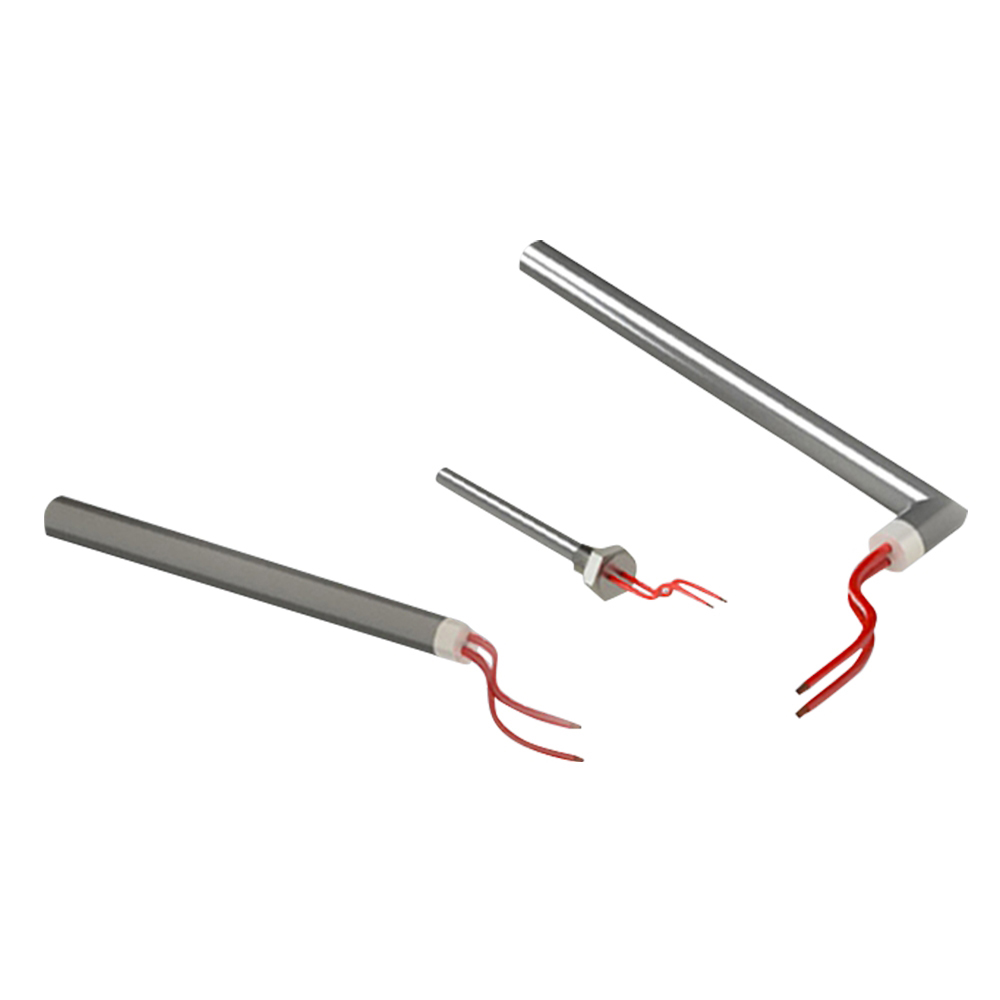
Jednostranný rúrkový ohrievač je všestranné a efektívne riešenie vykurovania navrhnuté pre širokú...
Výrobcovia elektrických vyhrievacích prvkov
-
-
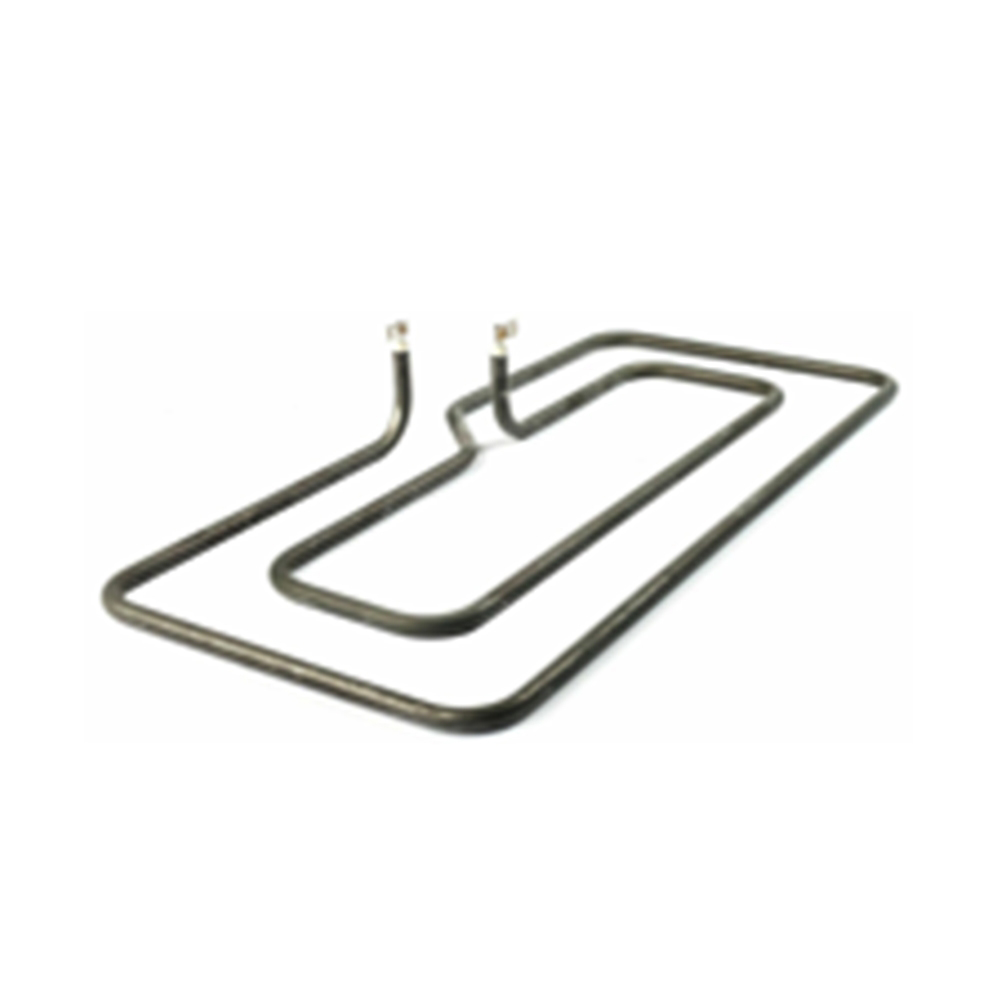 Priemyselný rúrkový ohrievač pre veľké zaťaženie
Priemyselný rúrkový ohrievač Heavy Duty je odolné a všestranné riešenie vykurovania určené pre vy...
-
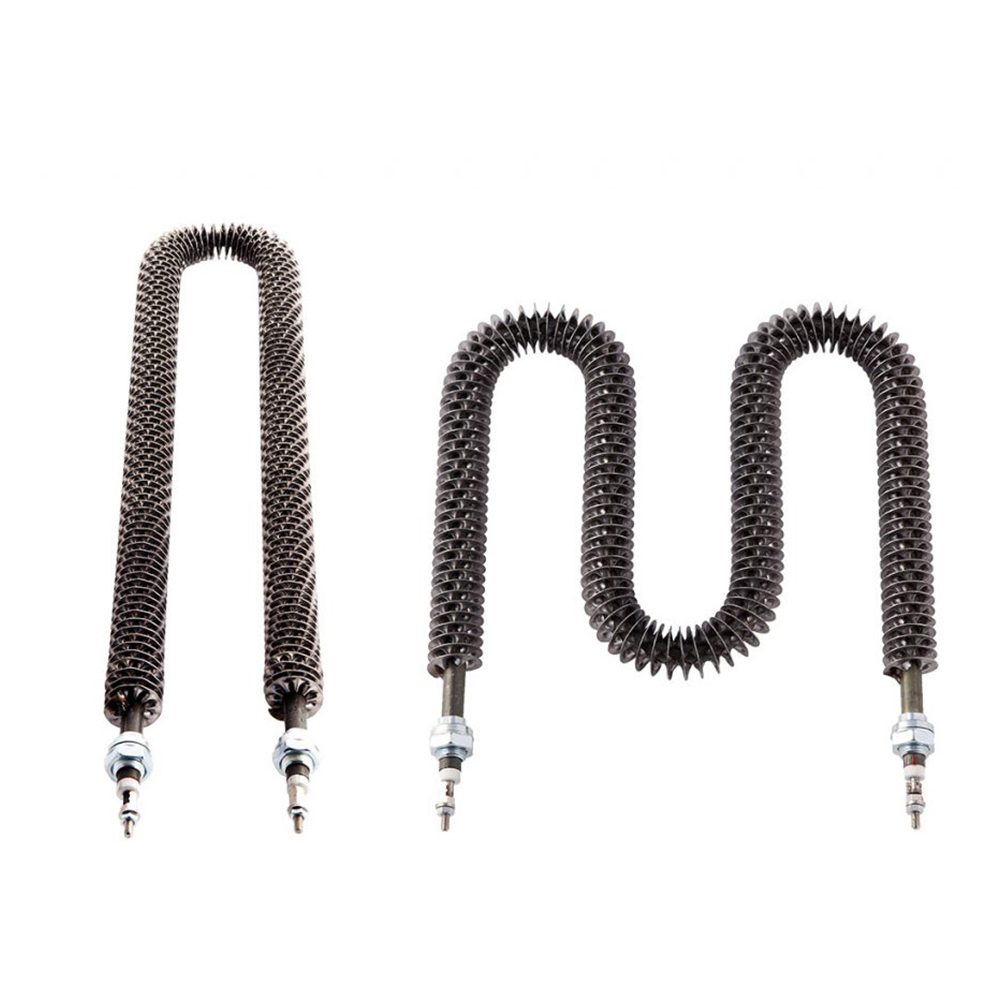 Rebrované rúrkové vykurovacie teleso pre vykurovanie priestorov
Rebrové rúrkové vykurovacie telesá sú pokročilé vykurovacie riešenia navrhnuté tak, aby maximaliz...
-
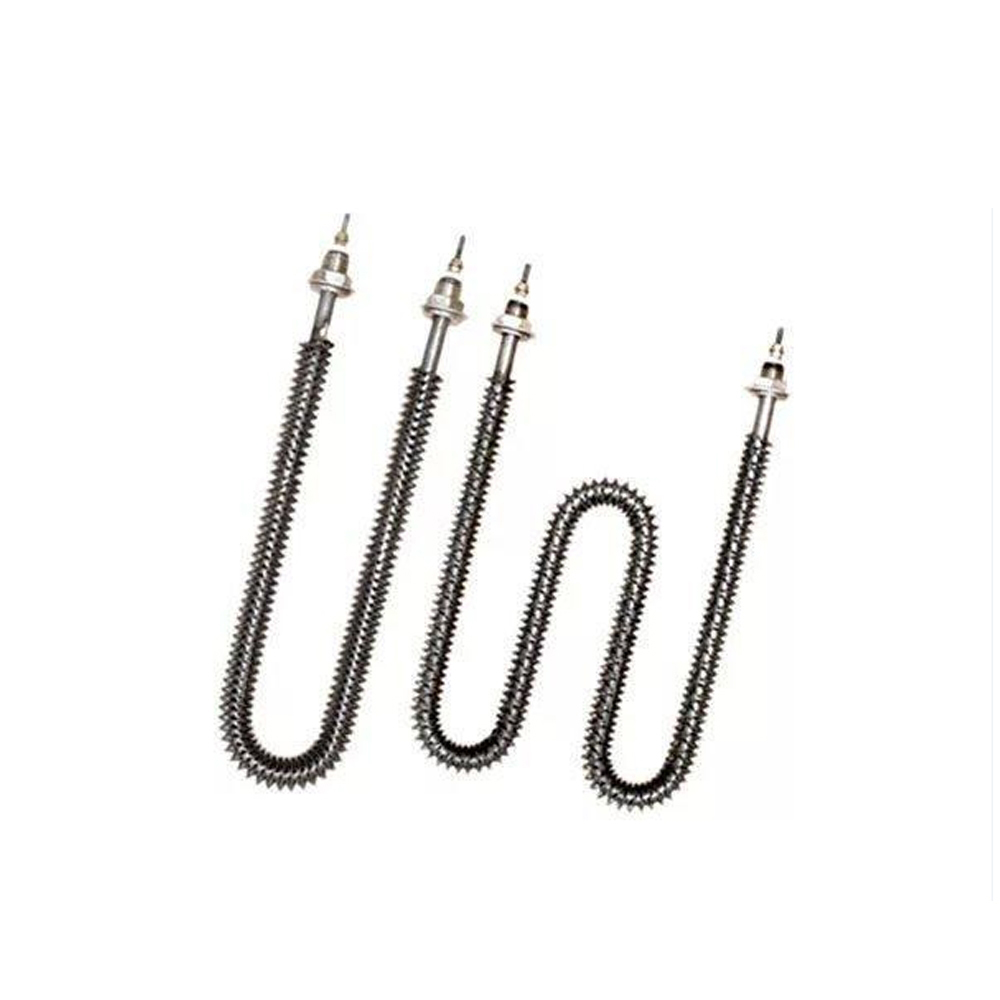 Rebrované rúrkové vykurovacie teleso s elektricky pozinkovanými oceľovými lamelami
Prispôsobené rebrované rúrkové vykurovacie teleso je vysoko všestranné a odolné riešenie vykurova...
-
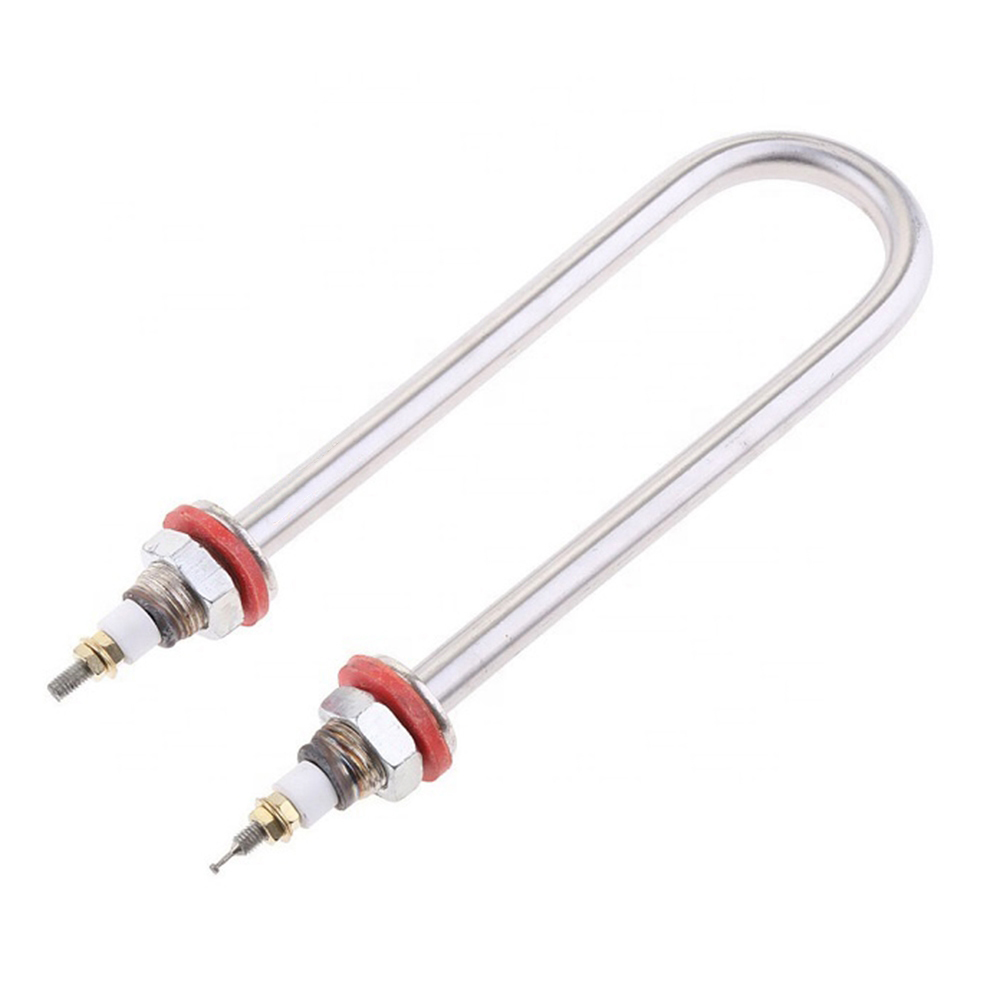 Malý priemyselný rúrkový ohrievač
Malý priemyselný rúrkový ohrievač je kompaktné, ale výkonné riešenie vykurovania navrhnuté pre vš...
Vykurovacie telesá sú základnými komponentmi priemyselných a komerčných vykurovacích systémov, ktoré sú navrhnuté tak, aby premieňali elektrickú energiu na teplo efektívne a spoľahlivo. Tieto prvky sú široko používané v aplikáciách, ako je procesné vykurovanie, systémy HVAC, ohrev vody a priemyselné zariadenia, ktoré poskytujú presné a konzistentné riadenie teploty.
Vykurovacie prvky vyrobené z vysokovýkonných materiálov, ako sú zliatiny niklu a chrómu, nehrdzavejúca oceľ alebo keramika, sú navrhnuté tak, aby odolali teplotám, vysokým wattovým hustotám a náročným prostrediam. Sú dostupné v rôznych formách, vrátane trubicových, kazetových, páskových a flexibilných prevedení, aby vyhovovali rôznym požiadavkám aplikácie.
Moderné vykurovacie telesá často obsahujú pokročilé funkcie, ako je rýchly ohrev, rovnomerné rozloženie tepla a integrované teplotné senzory, ktoré zaisťujú výkon a energetickú účinnosť. Či už ide o priemyselné procesy, domáce spotrebiče alebo špecializované zariadenia, vykurovacie telesá poskytujú odolné a prispôsobiteľné riešenia pre efektívny tepelný manažment.
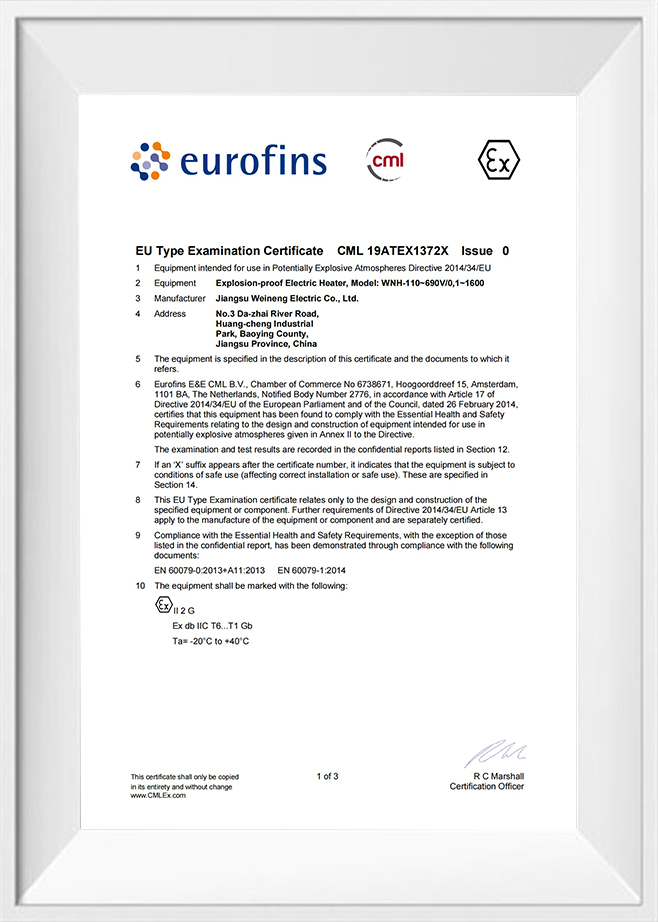
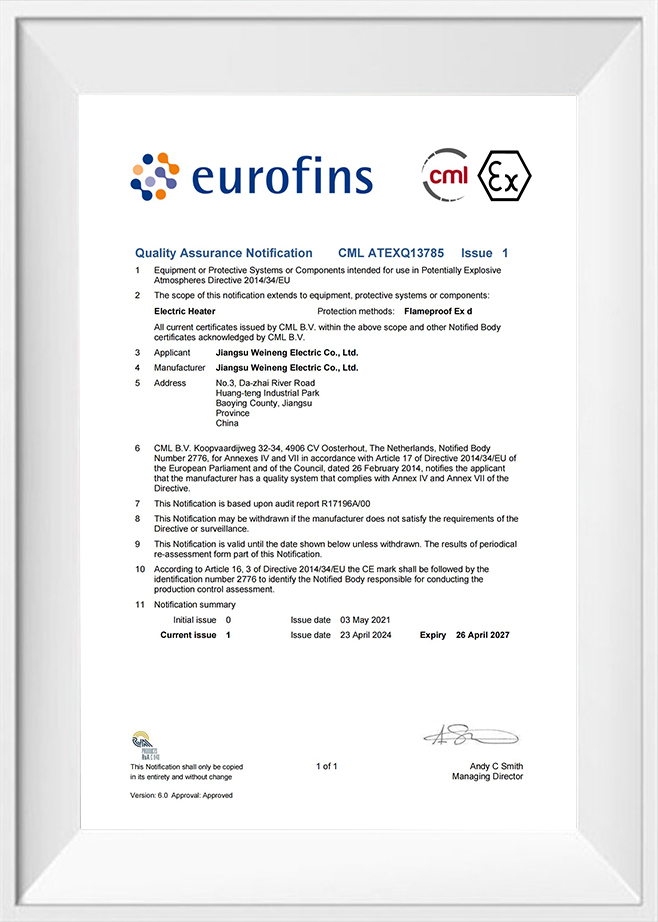
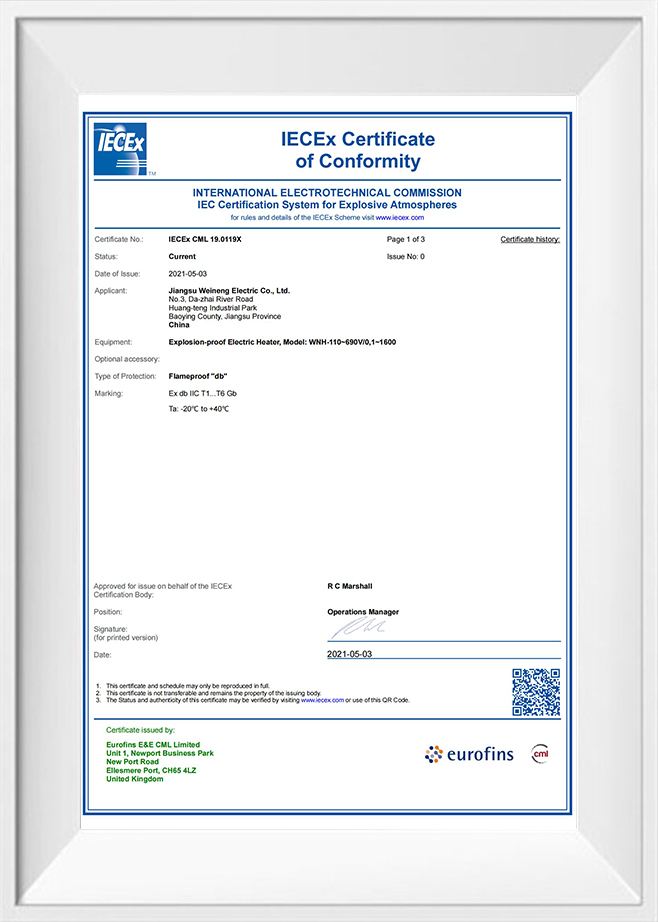
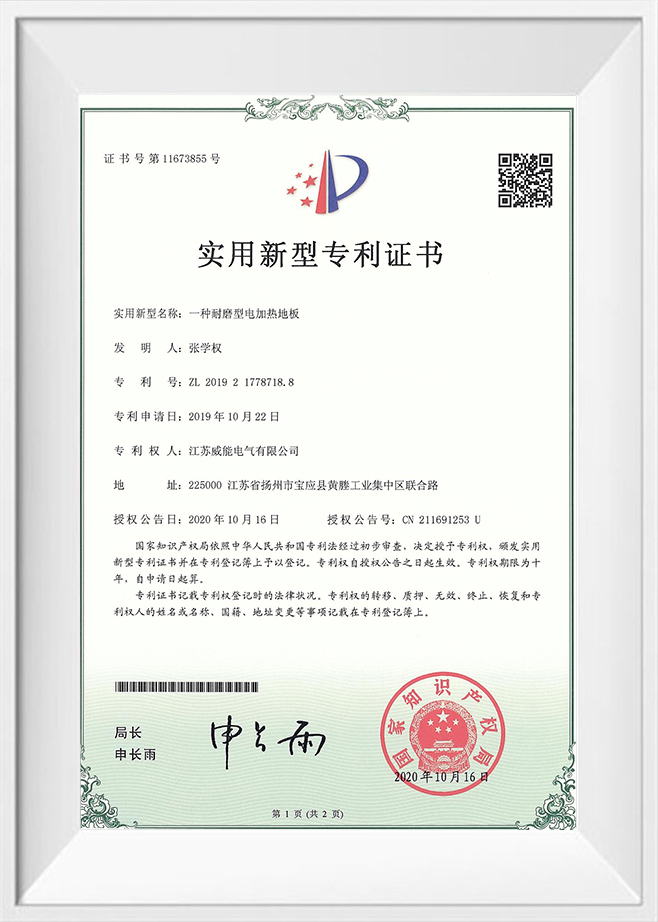
Certifikát
Jiangsu Weineng Electric Co., Ltd, založená 23. apríla 2009, je profesionálny výrobca zaoberajúci sa výskumom, vývojom, výrobou, predajom a servisom elektrických ohrievačov, elektrických vyhrievacích káblov a riadiacich systémov pre priemysel.
O NÁS
Jiangsu Weineng Electric Co.,Ltd
Jiangsu Weineng Electric Co.,Ltd, založená 23. apríla 2009, je profesionálny výrobca zaoberajúci sa výskumom, vývojom, výrobou, predajom a servisom elektrických ohrievačov, elektrických vyhrievacích káblov a riadiacich systémov pre priemysel.
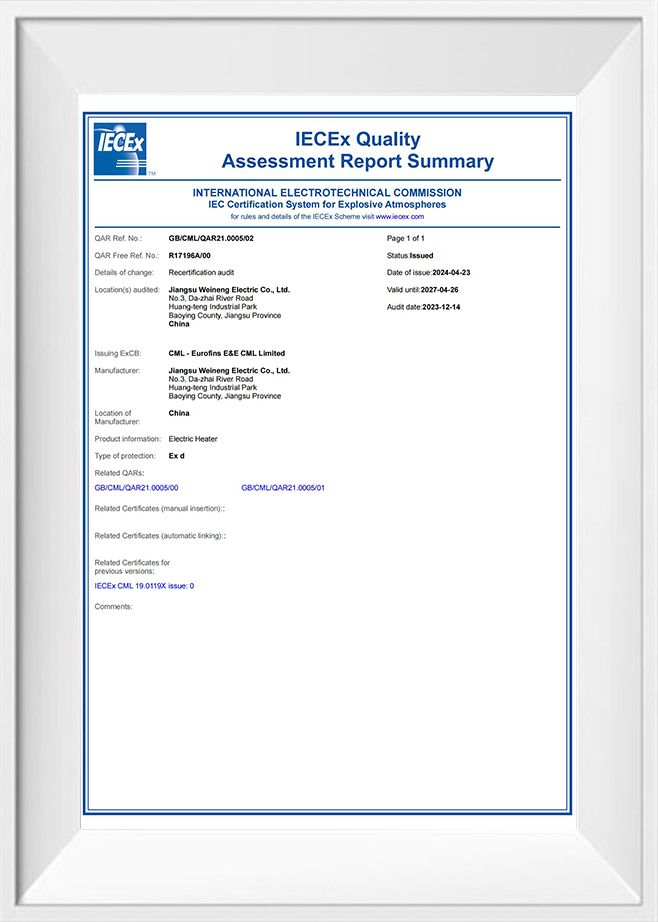
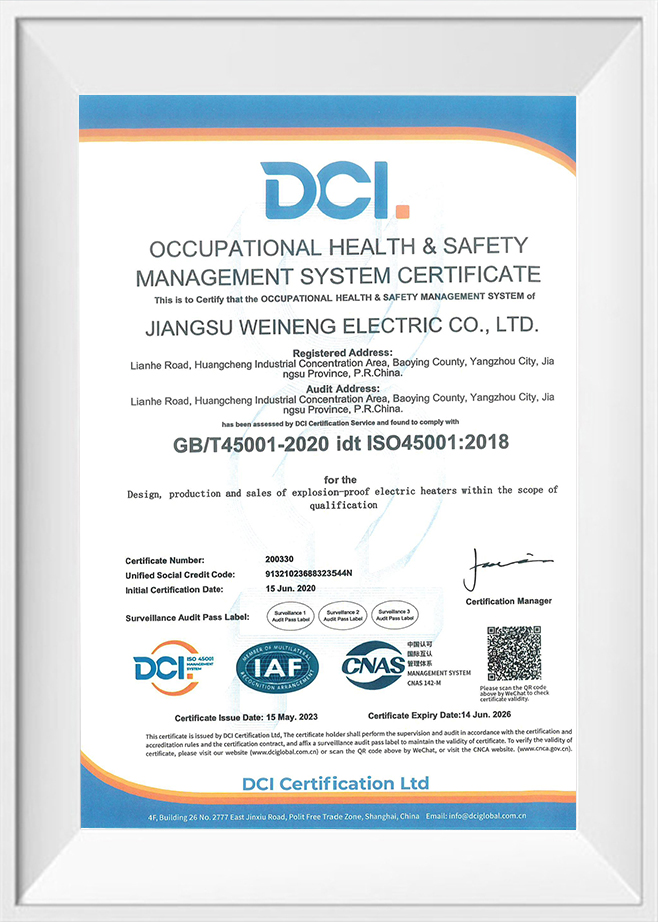
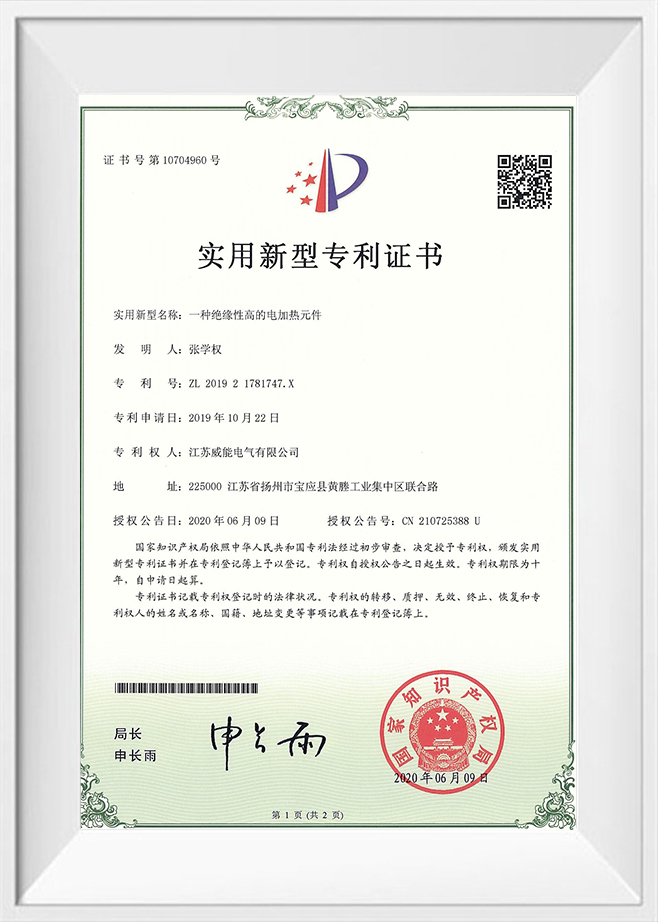
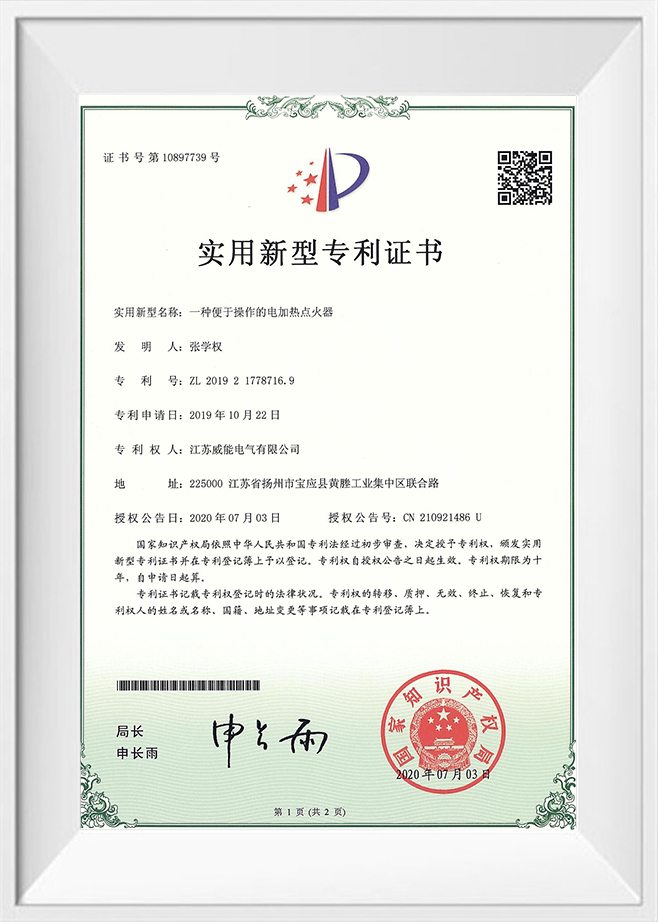
Ako Čína Výrobcovia rúrkových ohrievačov a Továreň na rúrkové ohrievače, nachádzame sa v okrese Baoying, provincia Jiangsu, s pohodlným dopravným prístupom. Venujeme sa prísnej kontrole kvality a premyslenému zákazníckemu servisu. Naši skúsení zamestnanci sú vždy k dispozícii na diskusiu o vašich požiadavkách a zabezpečenie plnej spokojnosti zákazníka. V posledných rokoch naša spoločnosť zaviedla sériu moderných zariadení vrátane plniaceho stroja na prášok, elektrického tlakového testovacieho čerpadla, meracieho sústruhu, bodovej zváračky LCD, sušiacej skrine, čistiaceho stroja, suchého pieskovacieho stroja, automatického ohýbača rúr, digitálneho multimetra, merača izolačného odporu a testera odolnosti voči napätiu. Naša spoločnosť trvá na technologických inováciách. Máme 3 profesorov inžinierstva a desiatky mladých inžinierov s bohatými skúsenosťami, ktorí tvoria profesionálny inžiniersky tím. Spolupracujeme s univerzitami a akadémiami na výskume a vývoji nových produktov. Okrem toho sme získali certifikáty IECEx, ATEX a ISO. Dobre sa predávame vo všetkých mestách a provinciách po celej Číne. Ponúkame Vlastný rúrkový ohrievač. Naše výrobky sa vyvážajú aj do krajín a regiónov ako Blízky východ, juhovýchodná Ázia, Amerika a Európa. Vítame aj objednávky OEM a ODM. Či už si vyberáte aktuálny produkt z nášho katalógu alebo hľadáte inžiniersku pomoc pre vašu aplikáciu, môžete sa obrátiť na naše zákaznícke centrum ohľadom vašich požiadaviek na nákup.Spätná väzba
Najnovšie správy
Zistite informácie o našich výstavách a nedávnych udalostiach v našej spoločnosti.
-
Certifikácia ATEX vs. IECEx: Kľúčové rozdiely pre kupujúcich s ochranou proti výbuchu
Stojíte pred špecifikačným listom elektrického ponorného ohrievača, ktorý pôjde do nádrže s horľavým rozpúšťadlom. Jeden dodávateľ označí jednot...14 -
ATEX vs IECEx: Kľúčové rozdiely a ako si vybrať certifikované vybavenie pre nebezpečné oblasti
Keď špecifikujete elektrický ohrievač pre prchavý procesný tok, prvá technická otázka, ktorá sa zvyčajne objaví, je, či musí mať certifikáciu AT...09 -
ATEX Certification Meaning: What It Means for Industrial Heating Equipment
You are standing in a chemical plant, reviewing a replacement immersion heater for a process vessel. The nameplate shows the marking II 2G Ex d ...01 -
Electric Heat Tracing: Cable Types, Applications, and Selection Guide for Pipes and Tanks
When a process plant loses heat along a pipe run, the result is rarely a sudden failure. It is a gradual problem: a viscous fluid becomes harder...24 -
Vysvetlenie veľkostí káblových priechodiek: metrické a PG grafy, tipy na meranie a sprievodca výberom
Ako vlastne funguje dimenzovanie káblových priechodiek Inžinier si objednal vývodku M25 pre štvoržilový kábel 10 mm², len aby zistil, že s...17
Vykurovacie telesá Odborné znalosti
Understanding Heating Element Materials: How Composition Impacts Efficiency and Application Suitability
When it comes to the performance and reliability of any electric heating element, the choice of material is far from a trivial decision—it forms the backbone of how well the component will function under specific operational conditions. Whether it’s a tubular heater used in heavy-duty industrial machinery or a compact strip heater integrated into a home appliance, the internal structure and elemental composition are decisive factors in ensuring long-term thermal efficiency and mechanical durability.
The most commonly used materials in heating element manufacturing are nickel-chromium alloys, stainless steel, and ceramics. Nickel-chromium, often referred to as nichrome, offers excellent resistance to oxidation and maintains stable electrical resistance even at elevated temperatures. This makes it an ideal core for many electric heating elements, especially where uniform and high-temperature heating is required over extended periods. Meanwhile, stainless steel variants provide corrosion resistance and mechanical strength, making them suitable for humid environments or applications where exposure to chemicals is a concern.
Ceramic materials, although more fragile, serve an important role in certain specialized configurations, particularly where electrical insulation is critical or where radiant heating is preferred. Their insulating properties help prevent energy losses and support higher thermal efficiencies in compact designs. Advanced ceramics also allow for higher watt densities without compromising safety, which is crucial for modern systems that demand compactness without performance loss. These materials often appear in cartridge and infrared heating elements tailored for precise thermal control.
The selection process doesn’t end with just choosing between nichrome and stainless steel. Different grades and alloying elements can significantly impact performance characteristics such as maximum operating temperature, flexibility, resistance to thermal cycling, and even weight. For example, in high-vibration industrial environments, certain grades of stainless steel can reduce mechanical fatigue over time, preventing premature failure. Similarly, nickel-rich alloys offer better creep resistance, crucial in continuous-use applications like ovens, plastic processing, or chemical reactors.
A well-designed tubular heater, for instance, relies not only on its shape or structure but on the specific interaction between its sheathing material and the internal heating wire. This synergy determines how evenly heat is transferred and how efficiently the system can reach and maintain target temperatures. Materials with poor thermal conductivity or mismatched expansion rates can introduce hot spots or stress points, leading to reduced efficiency and potential safety risks. For customers seeking performance, longevity, and reduced downtime, understanding these material dynamics is an investment in smarter sourcing.
From a manufacturer’s perspective, material choice is also closely tied to regulatory compliance and customization potential. Applications in the food, medical, and aerospace sectors, for instance, require materials that meet strict hygiene or safety standards. As a result, we not only test our heating elements for operational reliability but also ensure our materials meet global compliance requirements. This blend of precision engineering and high-quality materials is what sets apart a dependable electric heating element from a short-lived or underperforming one.
The material composition of a heating element isn't just a technical detail—it's a critical factor that defines its performance, safety, and application range. Whether you're designing a new product or sourcing for an existing system, partnering with a knowledgeable supplier who understands material science can make all the difference. With over a decade of experience in manufacturing and customizing tubular heaters and other industrial heating solutions, we help businesses find the right material match for their specific thermal challenges.
Copyright © Jiangsu Weineng Electric Co.,Ltd. Všetky práva vyhradené.
OEM/ODM továreň na elektrické vyhrievacie prvky
